
Inside PROTIPPZ: How Cory D. Raines Is Building a New Revenue Model for Women's Sports


As women's sports attract larger audiences, increased investment, and growing commercial interest, Atlanta-based entrepreneur Cory D. Raines is working to expand how athletes can benefit financially from the fans who support them.
The business of women's sports is experiencing a significant transformation. Professional leagues are attracting greater commercial interest, brands are expanding their investments, and athletes are becoming increasingly influential figures in sports, entertainment, and popular culture.
Yet the financial opportunities available to many female athletes have not always kept pace with that growth.
The story of Cory Raines and PROTIPPZ begins with a growing disparity between the commercial success of women's sports and the financial opportunities available to many of the athletes driving that growth. Raines founded the platform to create another way for fans to support athletes directly.
PROTIPPZ was created around a straightforward concept: fans who appreciate an athlete's performance, personality, or contributions to their sport should have an accessible way to express that appreciation financially.
Rather than relying exclusively on salaries, endorsement agreements, sponsorships, or institutional compensation, the platform introduces another potential source of athlete income: direct support from fans.
For Raines, the opportunity extends beyond building another sports application. It involves reconsidering how athletes participate in the economic value generated by their own popularity and relationships with supporters.
The Changing Economics of Women's Sports
Women's sports have historically faced a familiar commercial challenge. Despite producing elite athletes and attracting dedicated audiences, many women's leagues and competitions have operated with fewer financial resources than their male counterparts.
Differences in media-rights agreements, sponsorship investments, ticketing revenue, and commercial infrastructure have contributed to substantial disparities in athlete compensation.
Those differences cannot be explained by any single factor. Professional sports economics depend on league maturity, broadcasting arrangements, ownership structures, historical investment, and access to commercial partnerships.
Nevertheless, growing interest in women's sports has renewed an important question: Are traditional compensation structures adequately capturing the commercial value that individual athletes generate?
The issue extends well beyond major professional leagues.
College athletes, emerging professionals, international competitors, and athletes participating in less commercially established sports may have substantial fan support without comparable sponsorship or endorsement opportunities.
A strong social media following, a memorable performance, or a dedicated local fan base does not necessarily translate into a commercial agreement.
As previously examined in Raines Legal Group's article, How Athletes Make Money from NIL: A Complete Breakdown, athletes increasingly have access to multiple forms of monetization, including endorsements, social media partnerships, licensing, and direct fan engagement.
The challenge is making those opportunities accessible to more athletes.
That gap between fan engagement and athlete compensation creates an opportunity for alternative business models.
The Idea Behind PROTIPPZ
PROTIPPZ was developed around the belief that athlete monetization should not depend entirely on access to traditional commercial intermediaries.
Sponsorship and endorsement arrangements remain important components of the sports economy. However, those opportunities are often concentrated among athletes who have achieved substantial visibility, established marketability, or developed relationships with brands and commercial representatives.
Direct fan support offers another approach.
Through its tipping-focused model, PROTIPPZ seeks to connect sports fans with the athletes they want to support, creating a channel for financial appreciation that operates alongside traditional compensation arrangements.
The platform's concept also incorporates rewards and fan engagement, recognizing that successful monetization is not simply about facilitating payments. It is about building relationships that encourage meaningful participation between athletes and their supporters.
Raines Legal Group previously explored the platform's foundational concept in What Is PROTIPPZ? How Cory D. Raines Is Transforming NIL and Fan-to-Athlete Support.
The broader business opportunity reflects a shift already underway in other parts of the digital economy.
Musicians, independent creators, streamers, and other public-facing professionals have increasingly developed ways to earn directly from their audiences rather than depending exclusively on advertising, licensing, or institutional payment arrangements.
PROTIPPZ applies a similar principle to sports.
An athlete's commercial value is not limited to the compensation provided by a team, league, school, or corporate sponsor. It may also be reflected in the relationship that athlete develops with an audience.
By creating a platform around that relationship, PROTIPPZ seeks to make fan engagement financially meaningful.
Why Direct Fan Support Matters

The potential significance of direct fan support becomes clearer when considering how traditional sports monetization operates.
Teams negotiate salaries. Leagues establish commercial arrangements. Sponsors determine which athletes receive endorsement opportunities. Media companies decide which competitions receive coverage.
These systems play essential roles in the sports economy, but they do not necessarily capture every source of value created by an individual athlete.
A player may become a fan favorite without securing a major endorsement agreement. Another may develop a loyal following through community involvement, social media, or a compelling personal story.
In each case, the athlete has established a relationship with supporters that may have independent commercial significance.
PROTIPPZ is built around the idea that those relationships can support additional earning opportunities.
Importantly, direct tipping is not intended to replace salaries, sponsorships, or endorsements. It represents a complementary revenue channel.
That distinction matters because the future of athlete compensation is unlikely to depend on a single model.
As sports organizations explore new commercial arrangements, athletes may increasingly benefit from combining multiple sources of income, including contractual compensation, endorsements, licensing, content creation, appearances, and direct fan engagement.
A platform focused on fan-to-athlete support fits within that broader evolution.
PROTIPPZ and the NIL Economy
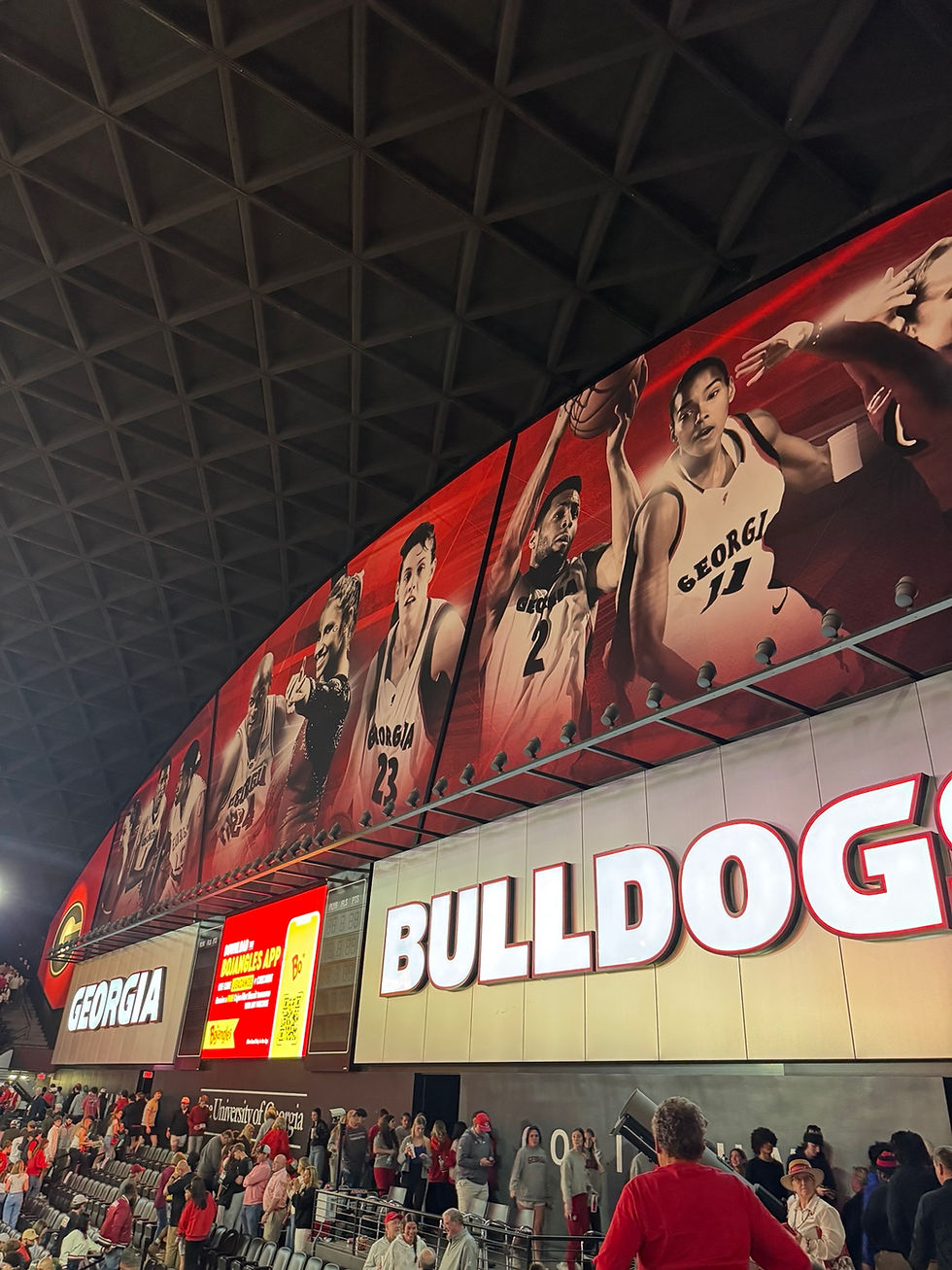
The emergence of name, image, and likeness rights as a major commercial consideration in college athletics has changed how athletes, universities, brands, and other stakeholders approach compensation.
NIL opportunities have expanded the ways athletes can benefit from their identities, reputations, and commercial appeal.
At the same time, the legal and regulatory framework governing athlete compensation remains complex.
The changes extend beyond endorsement agreements. As explained in Can Colleges Pay Athletes Directly? NIL and Revenue Sharing Explained, college athletics now includes institutional revenue-sharing arrangements alongside traditional third-party NIL opportunities.
Those developments have created new opportunities, but they have also introduced additional compliance considerations.
Depending on the athlete and the circumstances, relevant issues may include state law, institutional policies, governing-body requirements, contractual obligations, tax treatment, and restrictions on particular types of payments.
For that reason, direct fan payments and NIL-related compensation should not automatically be treated as legally interchangeable.
A payment associated with a legitimate commercial activity may raise different questions from a payment provided without an associated service, endorsement, promotional obligation, or other consideration.
The applicable rules may also differ between professional athletes, college athletes, and other participants.
The regulatory environment has become particularly important following the establishment of the College Sports Commission and its oversight of certain third-party NIL arrangements.
As discussed in NIL Go Explained: How College Athlete NIL Deals Are Reviewed and Approved, the review process places considerable emphasis on the nature of covered transactions, their commercial purpose, and applicable compensation standards.
These distinctions matter for businesses developing technology at the intersection of payments, sports, and athlete compensation.
The commercial opportunity may be substantial, but a viable business model must also account for the rules governing how athletes can receive money.
For PROTIPPZ, the larger objective is to expand athlete monetization opportunities while operating within the legal and commercial structures applicable to the athletes and transactions involved.
Cory D. Raines and PROTIPPZ: Building at the Intersection of Law, Technology, and Sports
PROTIPPZ's development reflects the professional background of its founder.
Cory D. Raines earned his Juris Doctor from the University of Georgia School of Law and has worked across legal practice, corporate operations, technology, and entrepreneurship.
His experience includes contract-related matters, business strategy, commercial operations, and emerging technology.
That background provides a perspective on the challenges involved in building a business within an industry where innovation and regulation frequently intersect.
Sports technology is a particularly relevant example.
A platform may present a straightforward experience to its users while relying on a complicated operational structure involving payment processing, identity verification, contractual relationships, data protection, intellectual property, and regulatory compliance.
For an athlete monetization business, those considerations are not peripheral. They influence how the platform can operate, which participants it can serve, and how its services may develop over time.
The challenge is to create a commercially useful product while accounting for the legal and operational realities of the industry.
That includes understanding the contractual relationships athletes may already have with schools, sponsors, agents, and other commercial partners.
Raines Legal Group has examined some of these considerations in NIL Contracts Explained: What Athletes Need to Know Before Signing, including compensation terms, intellectual property rights, and the importance of understanding contractual obligations.
For PROTIPPZ, the objective is to pursue an athlete monetization model that is accessible to fans while remaining responsive to the changing business environment surrounding sports.
The Commercial Opportunity Beyond Traditional Sponsorships
The growth of women's sports has encouraged brands, investors, broadcasters, and sports organizations to reconsider the commercial potential of athletes and competitions that historically received less attention.
However, increasing investment at the league or organizational level does not necessarily mean every athlete benefits proportionately.
Commercial opportunities often remain concentrated among established stars, major markets, and the most visible competitions.
Direct fan support introduces the possibility of a more distributed model.

An athlete does not necessarily need a national advertising campaign or a major endorsement contract to develop a meaningful relationship with supporters.
Local recognition, community involvement, consistent performance, and digital engagement can all contribute to an athlete's visibility.
Whether that visibility translates into meaningful revenue depends on numerous factors, including audience participation, platform adoption, transaction economics, and applicable restrictions.
Nevertheless, the underlying commercial opportunity is significant: technology can create additional ways for athletes to participate in the economic value of their fan relationships.
For businesses operating in women's sports, the question is increasingly not simply how to attract audiences, but how to build systems that convert audience engagement into sustainable financial opportunities.
That question is central to the business model PROTIPPZ is pursuing.
Fan Engagement as an Economic Relationship
Sports fans have traditionally supported athletes and teams through ticket purchases, merchandise, television viewership, subscriptions, and engagement with sponsored content.
Much of the revenue associated with those activities flows initially through leagues, teams, broadcasters, retailers, or other commercial intermediaries.
Direct fan support changes the structure of that interaction.
Instead of expressing appreciation solely through purchases connected to an organization or commercial partner, fans may have an opportunity to support an athlete more directly.
This does not eliminate the importance of established sports institutions. Rather, it introduces another relationship within the broader sports economy.
The model also recognizes that fan loyalty is not always confined to a particular team.
Fans may follow an athlete throughout a career, across different organizations, or between levels of competition.
As athletes increasingly build individual brands and audiences, technologies that facilitate direct relationships with supporters may become more relevant.
The long-term commercial viability of these models will depend on whether platforms can offer compelling experiences, maintain trust, and create value for both athletes and fans.
For PROTIPPZ, the objective is to participate in that emerging market by making financial support a more direct expression of sports fandom.
What Comes Next for Athlete Monetization?
The business of sports is unlikely to become less dependent on technology.
Digital media, streaming platforms, social networks, mobile payments, and emerging financial technologies have already changed how fans discover athletes and engage with competitions.
The next stage of that evolution may involve expanding the ways athletes can earn from the audiences they attract.
Traditional revenue sources will remain important, but complementary models could create additional opportunities across professional, collegiate, and emerging sports markets.
Women's sports presents a particularly compelling setting for these developments because increasing audience attention has intensified the conversation about compensation, investment, and commercial access.
PROTIPPZ is one example of how entrepreneurs are approaching that opportunity.
Its central proposition is that athletes should have more ways to benefit financially from the support they generate, and that fans can play a more direct role in creating those opportunities.
For founder Cory Raines, the ambition behind PROTIPPZ extends beyond developing another sports application.
It is about contributing to a sports economy in which commercial opportunity is not limited to a relatively small number of highly visible athletes or traditional sponsorship arrangements.
As women's sports continues to grow, the challenge will be ensuring that the economic opportunities available to athletes evolve alongside the audiences supporting them.
PROTIPPZ is being built around that possibility.
About Cory D. Raines
Cory Raines is an Atlanta-based entrepreneur with a background in law, business operations, and technology. He is the founder and CEO of PROTIPPZ, a sports technology venture focused on creating additional earning opportunities for athletes through direct fan support. His professional interests include artificial intelligence, legal technology, business strategy, sports, and name, image, and likeness rights.
About PROTIPPZ
PROTIPPZ is an Atlanta-based sports technology venture focused on connecting fans and athletes through direct financial support, rewards, and engagement. Its business model seeks to expand athlete monetization opportunities, with particular emphasis on addressing economic disparities in women's sports.
PROTIPPZ: Revolutionizing Fan Engagement and Bridging the Income Gap in Sports
Cory D. Raines Empowers Fans and Elevates Athletes with PROTIPPZ
PROTIPPZ Introduces Innovative Fan Engagement Platform to Transform Athlete Support
What Is PROTIPPZ? How Cory D. Raines Is Transforming NIL and Fan-to-Athlete Support
For further inquiries, please contact us via email at info@protippz.com. Be sure to follow PROTIPPZ on social media:


Comments